The challenge
Replay's product records what happens inside an application and plays it back, so instead of guessing at a bug, engineers can watch what happened. Replay's technical innovation was never the problem. The company had been at this for years, and along the way developed several iterations of their core offering, more than one audience, and no single way of talking about it all. Even amongst the team, the answer would vary depending on who you asked.
What made this engagement urgent was timing. AI agents were writing more and more of the world's code, and the teams relying on them couldn't see what that code was doing when it ran. That is the exact problem Replay solves. The market was coming to them, and the story needed to be ready when it arrived.
The approach
Positioning came first. Our engagement opened with a brand strategy framework worksession, and produced the foundations for positioning, mission, and a clear picture of who the buyer is. This initial work uncovered the key insights that would guide the work going forward.
Once the initial strategy was set, the rest of our engagement was about putting it to work: how Replay qualifies its buyers, to what the team publishes and where, to how the website tells the story. Within a short period of time, everything we structured for Replay adjusted dynamically with the evolution of their priorities. When a slight adjustment to its strategy was needed, the system we designed and implemented allowed the team to respond smartly and efficiently.
Good positioning shows up when the market shifts and you don't have to start over.
Where it landed
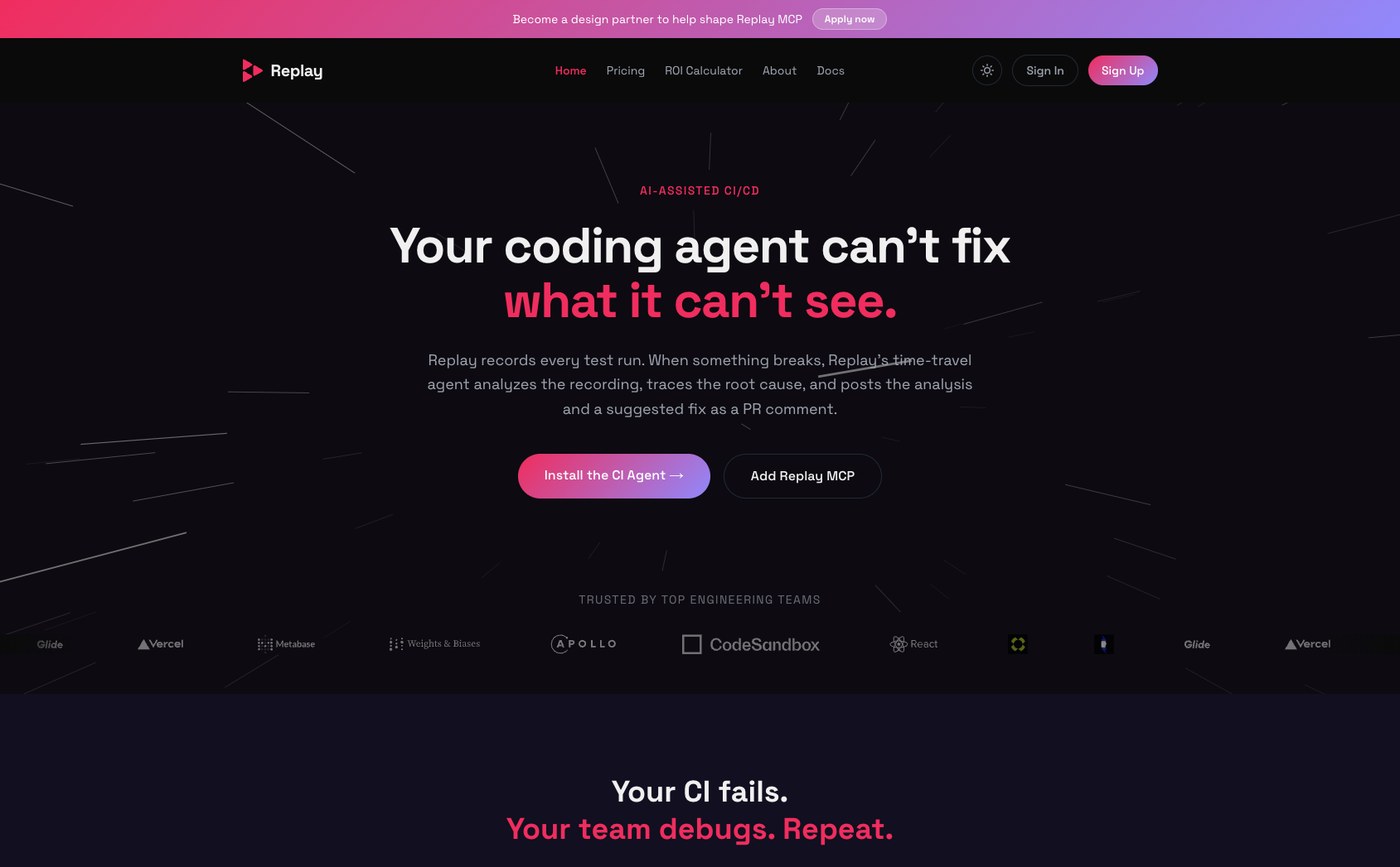
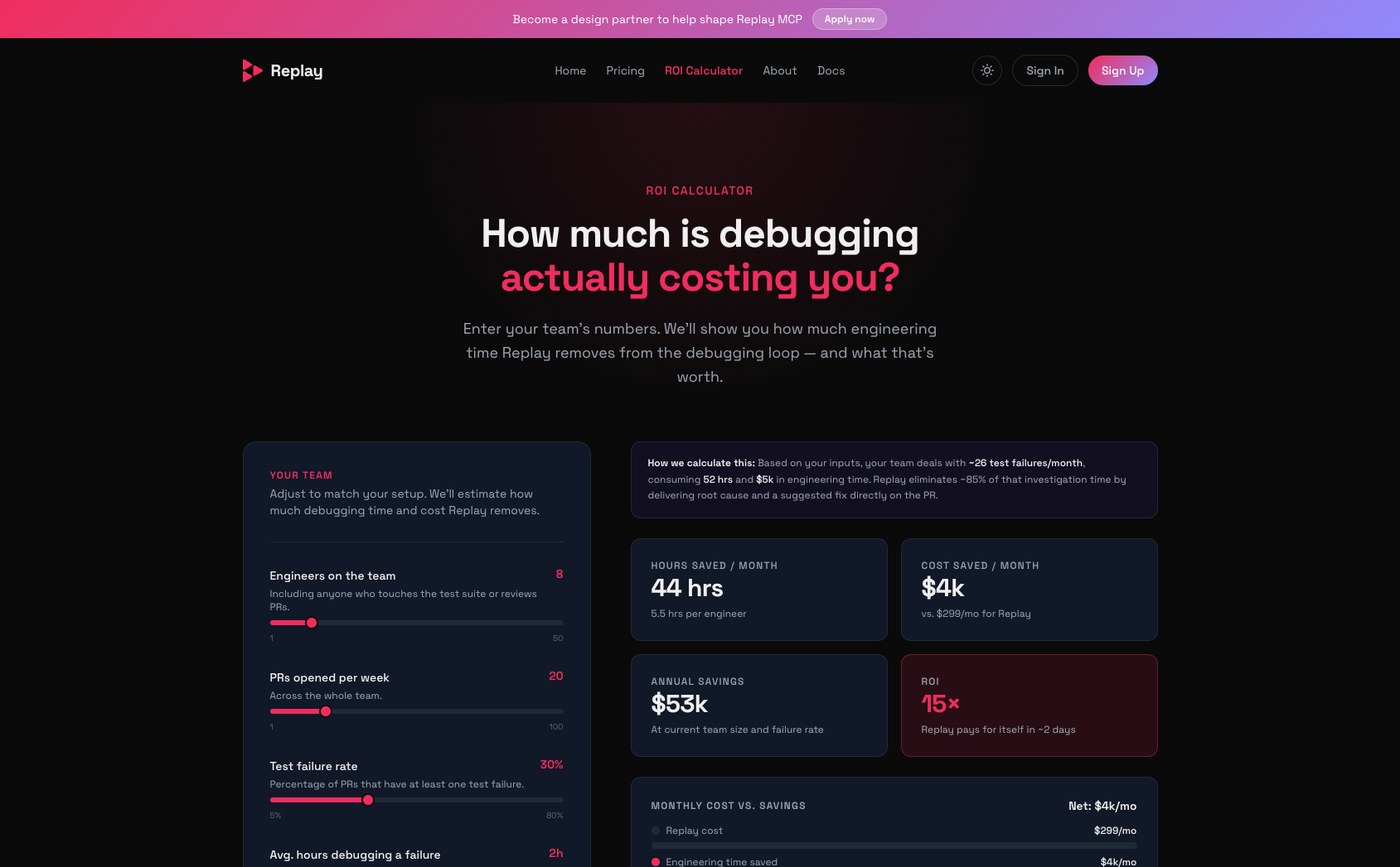
Replay now leads with one product, Replay QA, and one story. The website, the pricing, and the way the team describes the company all come from the same place. When something shifts, the team adjusts the story instead of rebuilding it.
Six months in and Replay has never been more focused. The brand strategy and positioning work we started together continues to adjust and sharpen as the market answers back.